
The Hidden Cost of Competing at the Top of Golf
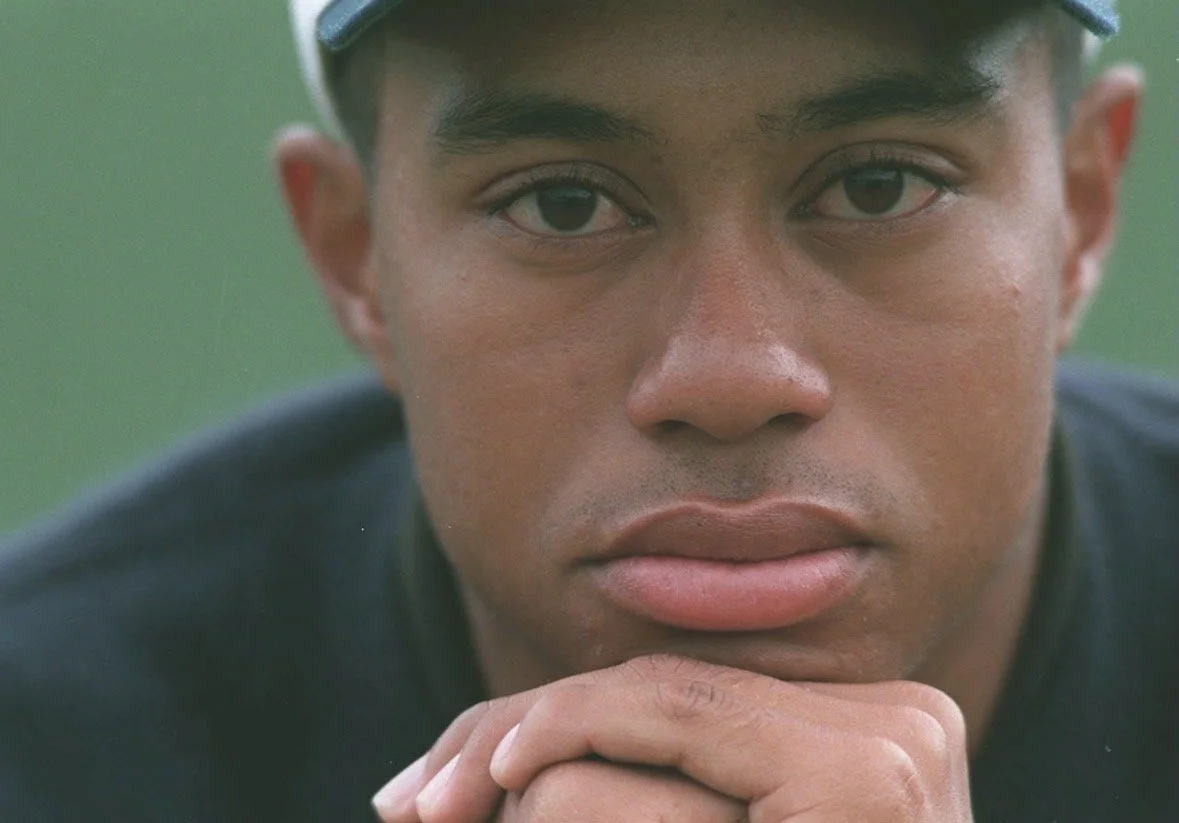
The conversation around Tiger Woods has again exposed something golf still struggles to confront: elite performance, often comes with both physical and psychological costs.
This isn’t just about injury, recovery, or isolated incidents. It’s about what happens when pressure, pain, and identity build over time.
“On a deeper level, the psychological impact caused from being injured and wanting to compete again is a pain like nothing else. To understand this you have to have been there!”
Therefore should we do more in professional golf to support golfers when this happens.
Pain + Pressure = Risk
Professional golf is physically demanding in ways people underestimate. Repetitive strain, chronic injuries, constant travel, and the expectation to perform week after week create a dangerous baseline.
Now add:
Financial pressure (especially outside the top tier)
Media scrutiny
Internal expectations to be perfect
In that environment, reliance on coping mechanisms, whether prescription medication or otherwise—becomes less surprising.
The issue isn’t discipline.
It’s that the system expects resilience without properly building it.
The Identity Problem
Most elite golfers have spent their entire lives being “the golfer.”
That works until it doesn’t.
When performance drops:
It doesn’t feel like a bad week
It feels like a loss of identity
The tragedy surrounding Grayson Murray forced this into the open. And while extreme, it highlights a broader truth many players quietly struggle when results no longer validate who they believe they are.
And here’s the uncomfortable reality:
The majority of professional golfers won’t sustain long-term success
Many will lose status, income, and direction
Highly competitive people don’t process that easily.
The Culture Problem
Golf still leans on an outdated mindset:
“Tough it out”
“Keep going”
Support exists, sports psychologists, travelling specialists, but it’s often reactive, not embedded.
Players tend to seek help when they’re already in trouble.
That’s too late.
What Actually Needs to Change
1. Mental training must be standard, not optional
It should be treated like swing coaching. Built in early. Reinforced constantly.
2. Identity must be separated from performance
Players need tools to understand: results fluctuate, self-worth shouldn’t.
3. Success needs redefining
If “making it” is the only goal, most players are set up to feel like failures.
4. Prepare for the reality of the sport
Short careers, instability, and transition out of the game should be openly addressed not ignored.
Final Thought
Golf is brutally exposing because it’s individual. There’s no hiding just you and your thoughts over four hours.
We don’t need to make the game easier.
But we do need to make the people playing it more supported.
Right now, too many are managing the hardest parts alone and that’s where the real risk lies.