
Justin Rose and Golf Longevity: Why Players Get Better With Age | Greatmaker
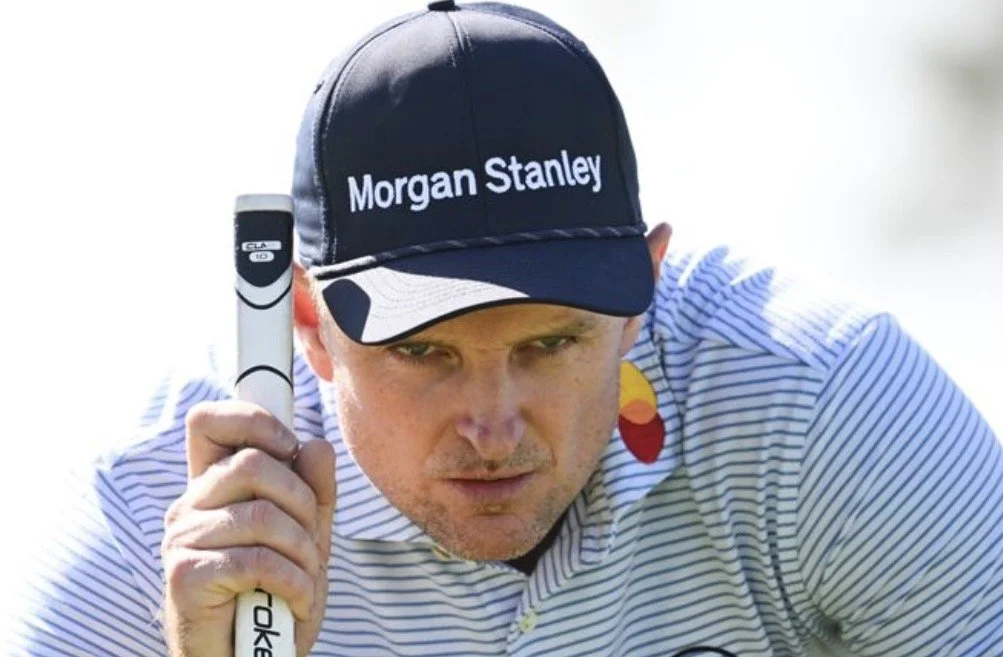
Justin Rose’s recent success shows why some golfers improve with age. While distance and athleticism often dominate the conversation, golf rewards something deeper over time; clarity, discipline, and emotional control.
Rose’s longevity isn’t about resisting decline. It’s about understanding how to compete more intelligently.
What we’re seeing is not an exception, but a pattern. More golfers are extending their prime years, and some are even improving as they move into the later stages of their careers. The reasons go deeper than experience alone.
Golf’s Prime Years Are Built, Not Given
Early careers are driven by talent and athleticism. Later careers are built on process.
Players like Rose have a clear understanding of what actually improves performance. Practice becomes more focused. Preparation becomes more intentional. There’s less time spent chasing quick fixes and far more attention paid to routines that hold up under pressure.
This shift from ability to process is one of the biggest reasons longevity is becoming a competitive advantage in professional golf.
Fitness for Longevity, Not Just Power
Modern golf fitness is no longer just about hitting the ball further. For experienced players, the goal is availability, staying healthy enough to compete consistently.
Training focuses more on mobility, joint health, and recovery than raw strength. The aim is to reduce injury risk, manage fatigue, and maintain movement quality over a long season. Being able to perform well week after week is often more valuable than a marginal gain in swing speed.
Longevity rewards those who train with the long term in mind.
Recovery Is Part of Performance
Another factor often overlooked is recovery. As players age, they become more disciplined about sleep, nutrition, and downtime. Recovery is no longer an afterthought, it’s part of the performance plan.
This allows experienced golfers to practise with better intent and compete with greater clarity. Fewer wasted sessions. Less mental fatigue. Better decision-making when it matters most.
Knowing What Doesn’t Work
One of the real advantages of experience is knowing what to avoid.
Golfers who improve later in their careers have already made the mistakes. They know which swing thoughts fail under pressure, which aggressive lines cost tournaments, and which emotional reactions lead to poor decisions. This knowledge removes doubt.
Rather than adding new tools, they sharpen the ones they trust.
Emotional Control as a Competitive Edge
Perhaps the biggest difference is emotional control.
Veteran players are less reactive. They don’t panic after a bad hole or chase form when things aren’t perfect. They understand that pressure is part of the job, not something to fight.
This emotional steadiness leads to better decisions and more consistent scoring — especially in high-pressure moments.
Experience Reduces Hesitation
With experience comes clarity. Decisions are made more quickly, with less second-guessing. The shot is chosen, committed to, and executed.
In professional golf, hesitation costs more than small technical flaws. Experience reduces hesitation, and that alone can be worth several shots over a tournament.
Longevity as an Advantage
Justin Rose’s success shows that golf’s later years can be some of a player’s most effective. Physical ability matters, but mental strength, preparation, and resilience matter more over time.
This thinking sits at the heart of Greatmaker. Raise Your Game isn’t about short-term gains — it’s about building a mindset and system that lasts. Mental resilience, smart preparation, and learning from experience are what keep players competitive long after the early surge of talent fades.
Longevity in golf isn’t about hanging on.
It’s about knowing how to compete and why it still matters.