
Golf Courses, Trees and Wildlife: Finding the Right Balance for Modern Golf
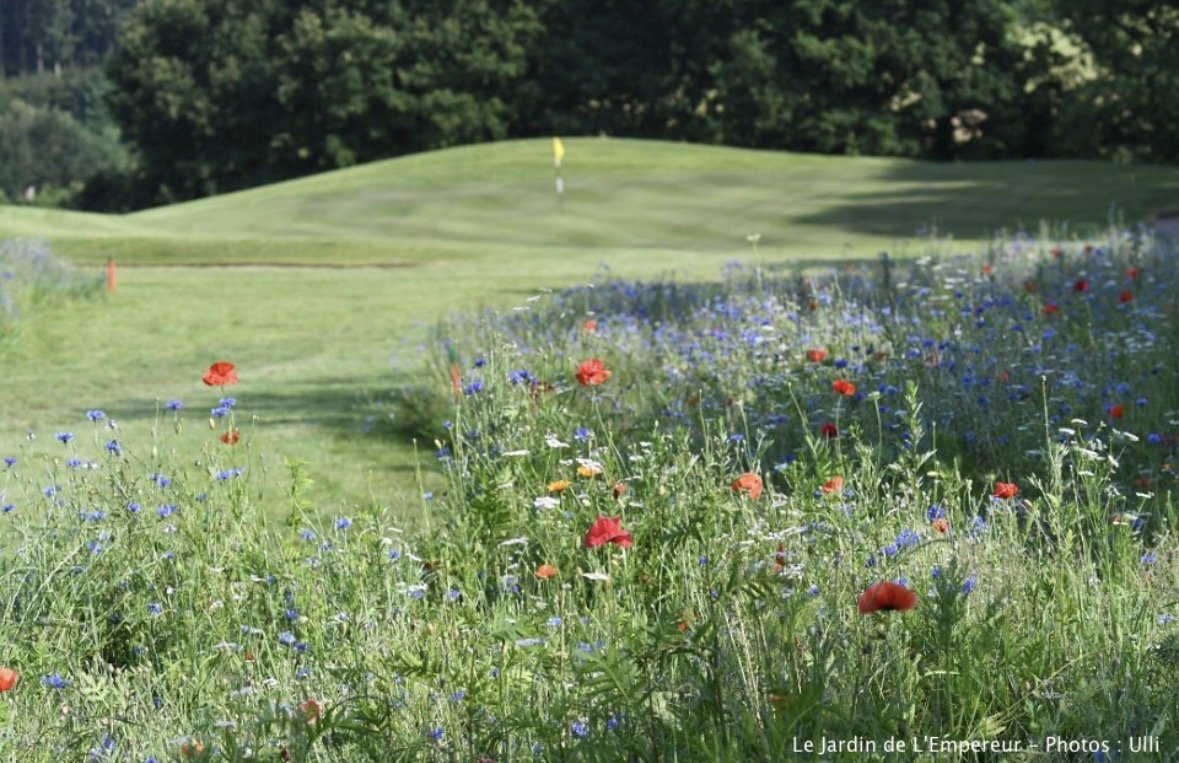
Across the UK, golf clubs are under growing pressure to reshape their courses for biodiversity, wildlife habitats and environmental certification. Tree removal, wildflower meadows, wetland creation and rewilding are increasingly common, often promoted through schemes like GEO Certified®.
On paper, it sounds admirable. In reality, these changes can have unintended consequences for modern golf courses and its members.
Who’s Driving the Change?
The GEO Foundation for Sustainable Golf is the primary organisation guiding these initiatives. Its GEO Certified® programme is regarded as the benchmark for environmental stewardship, requiring clubs to demonstrate improvements in:
biodiversity
resource management (water, energy, chemicals)
climate impact
community engagement
Alongside GEO, initiatives like Operation Pollinator and national biodiversity partnerships encourage clubs to:
restore native grasslands
remove non-native trees
reduce chemical use
create wildflower corridors and pollinator zones
These programmes aim to position golf courses as valuable wildlife habitats, particularly in urban or semi-rural areas. However, these initiatives can inadvertently ruin golf courses.
The Debate Over Tree Removal
One of the most controversial aspects is the removal of mature trees. Many parkland courses planted trees during the late 20th century to:
separate holes
frame fairways
improve aesthetics
mimic famous courses like Augusta
Yet many golf architects argue this over-planting distorted the original design intent. Legendary Golden Age designers such as Alister MacKenzie and Donald Ross preferred open landscapes, natural contours, and strategic bunkering rather than dense tree corridors.
Over time, heavy tree planting caused issues such as:
blocked sunlight affecting turf growth
poor airflow increasing disease risk
lost sightlines and strategic lines of play
altered drainage and turf quality
In some cases, selective tree removal restores the architectural integrity of the course. But when removal is driven primarily by biodiversity targets rather than design, it can subtly change the course’s character.
Trees and the Modern Game
A key point often overlooked is the role tree corridors play in the difficulty of modern golf courses.
Golfers today hit the ball farther than ever, thanks to advances in club technology, athletic coaching, and launch monitor data. In the past, strategically placed trees were a natural defence against distance, helping courses:
narrow driving corridors
penalise inaccurate tee shots
limit aggressive angles into greens
encourage strategic, positional golf
Removing these trees too aggressively can unintentionally widen fairways and reduce the strategic challenge, making courses feel easier and less engaging.
The question clubs must ask: does removing a tree enhance playability, or merely tick a biodiversity box.
Greenkeeping: The Unsung Priority
Financial pressures on clubs are real: rising water bills, chemical regulations, machinery costs, and fluctuating membership all strain resources. Environmental compliance adds surveys, habitat plans, certification fees and consultancy costs.
Many clubs might achieve better results by investing in greenkeeping staff, directly improving:
greens quality
bunker maintenance
fairway condition
drainage
In short, well-staffed, well-maintained courses benefit both golfers and the environment, without compromising the game.
Balancing Ecology and Golf Course Integrity
Golf courses are more than landscapes; they are carefully designed sporting environments. The best clubs find a balance:
protecting wildlife outside main playing corridors
maintaining architectural and strategic integrity
investing in greenkeeping teams
using ecological measures to support the course, not dominate it
This approach preserves both the environment and the heritage and challenge of modern golf course design.
Conclusion
Environmental initiatives in golf are well-intentioned, but they must not overshadow the core purpose of a golf course: to provide a great golfing experience.
Before undertaking tree removal or other ecological projects, clubs should ask themselves:
“Does this genuinely improve the course for golfers, or merely satisfy certification criteria?”
Common sense, careful management, and investment in greenkeeping often achieve far more than ticking biodiversity boxes. After all, golfers don’t join clubs to admire report, they join to play great golf.