
When the Swing Stops: How injury can derail a golfers momentum, identity, and career
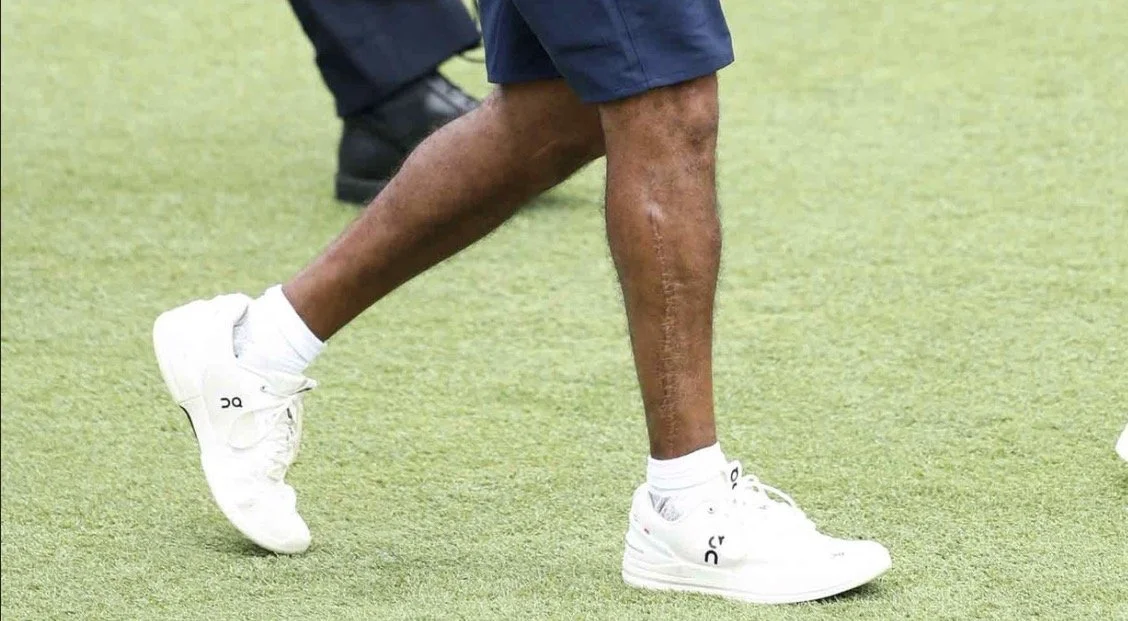
In golf, the line between breakthrough and breakdown is minute. Unlike many sports where explosive collisions define the game, golf injuries can be deceptively impactful.
A single injury can halt momentum built over years, knock confidence and trigger psychological, financial, and social challenges that extend far beyond the golf course.
Momentum: More fragile than you realise!
For a golfer, momentum is years of technical refinement and confidence building. Injury interrupts that rhythm.
Imagine a player locked into a breakthrough season making cuts, climbing leaderboards, earning sponsor exemptions only to sprain a ligament in the wrist or develop chronic back pain. Suddenly the momentum that felt sustainable vanishes replaced with cuts missed, withdrawals and confidence eroded.
This isn’t just anecdotal, performance psychology tells us that consistency creates belief, and belief fuels resilience under pressure.
The golfer who once trusted their swing, their stance, every grip change and every practice session now question these routines.
The Isolation of Setbacks: Beyond physical pain
Injury in golf carries a unique kind of isolation.
Unlike team sports, golf is an individual sport leading to:-
Physical solitude during rehab sessions.
Loss of community from tournaments missed.
Internal pressure to “come back stronger” as social media amplifies success stories.
Players can internalise setbacks not as events, but as reflections of identity.
When Timing Matters:
One poorly-timed injury can alter a golfer’s entire career.
John Daly (U.S.), whose immense talent was overshadowed by physical ailments and lifestyle issues. Knee injuries and repeated surgeries coincided with dips in form, leading to performance and confidence challenges. While Daly remains a beloved figure, many believe his peak was curtailed by a combination of injury and insufficient support structures.
Jonathan Byrd (U.S.), a PGA Tour winner whose shoulder problems kept him in and out of competition, steadily eroded his world ranking and tour status.
Then there are many mini-tour players, who lack the medical resources, financial cushion, or psychological support systems of the elite. Their injuries aren’t always career ending but career defining as nothing in place to sustain them through recovery.
Tiger Woods: The comeback story
Tiger Woods’ victory at the 2019 Masters Tournament was one of the most remarkable comeback stories in sports history. Years of back surgeries, personal setbacks, and public scrutiny could have ended any career! Yet Woods rebuilt himself physically and mentally to once again win golf’s most coveted green jacket.
His journey shows:-
Resilience matters, mental toughness and identity beyond injury are key drivers of return.
Support systems help, world-class medical care, coaching, training staff, and financial stability enabled a return that most golfers can’t replicate.
But Tiger’s story is the exception, not the norm.
What’s Currently in Place? And where is the shortfall ?
At the elite level, golfers typically have access to:
Physical therapy
Strength and conditioning coaches
Medical specialists
Sports psychologists
Yet these are often player-funded, meaning injured players still carry the financial burden of recovery. On lower tours none of the above is available.
Most tours provide limited financial support for injury, and there’s no centralised structure to:
✔ Provide guaranteed income during injury recovery
✔ Offer psychological counselling tailored to golf
✔ Maintain competitive pathways for returning players
✔ Educate on injury prevention and long-term career planning
Why We Need a Better Support System.
The current gap means many players:
Drop out of competition entirely after injury
Return before they’re mentally or physically ready
Struggle with identity loss and depression
Fall into financial hardship
Are unprepared for life after professional golf
Golf loses promising golfers not because talent faded, but insufficient support. .
What Can Be Introduced to Improve Player Experiences?
Here’s a strong, actionable framework:
1. A Centralised Injury Support Fund
A collective pool — supported by tours, sponsors, and equipment partners — that provides:
Living stipends during injury layoff
Medical and rehabilitation funding
Access to vetted physiotherapists and specialists
2. Mandatory Mental Health Support
Every professional should have access to:
Regular sessions with sports psychologists
Mindset and resilience training
Peer support groups for injured players
3. Return-to-Competition Pathways
Just like medical redshirts in other sports:
Protected status for ranking and tour eligibility
Structured competition re-entry plans
Adjusted qualification criteria
4. Education on Long-Term Athlete Identity
Programs that help players:
Build skills outside of golf
Prepare for transitions
Understand that self-worth isn’t tied to weekly performance
Mental Resilience: The Missing Muscle
Rehabilitation isn’t physical alone. It’s mental:
Fear of re-injury can alter swing mechanics.
Loss of confidence increases performance anxiety.
Isolation can intensify depressive thoughts.
Resilience is not just “grit”, it’s a trained psychological muscle. Players who succeed after injury don’t just heal; they reframe their identity, rebuild belief, and manage expectations.
This is why mindset coaching, peer support, and psychological care should be as standard as physiotherapy.
Conclusion: A Call for a Better Support System for all levels of golf !