
Social Media and Golf: Why Building Your Personal Brand Is Now Essential for Sponsorship and Career Growth?
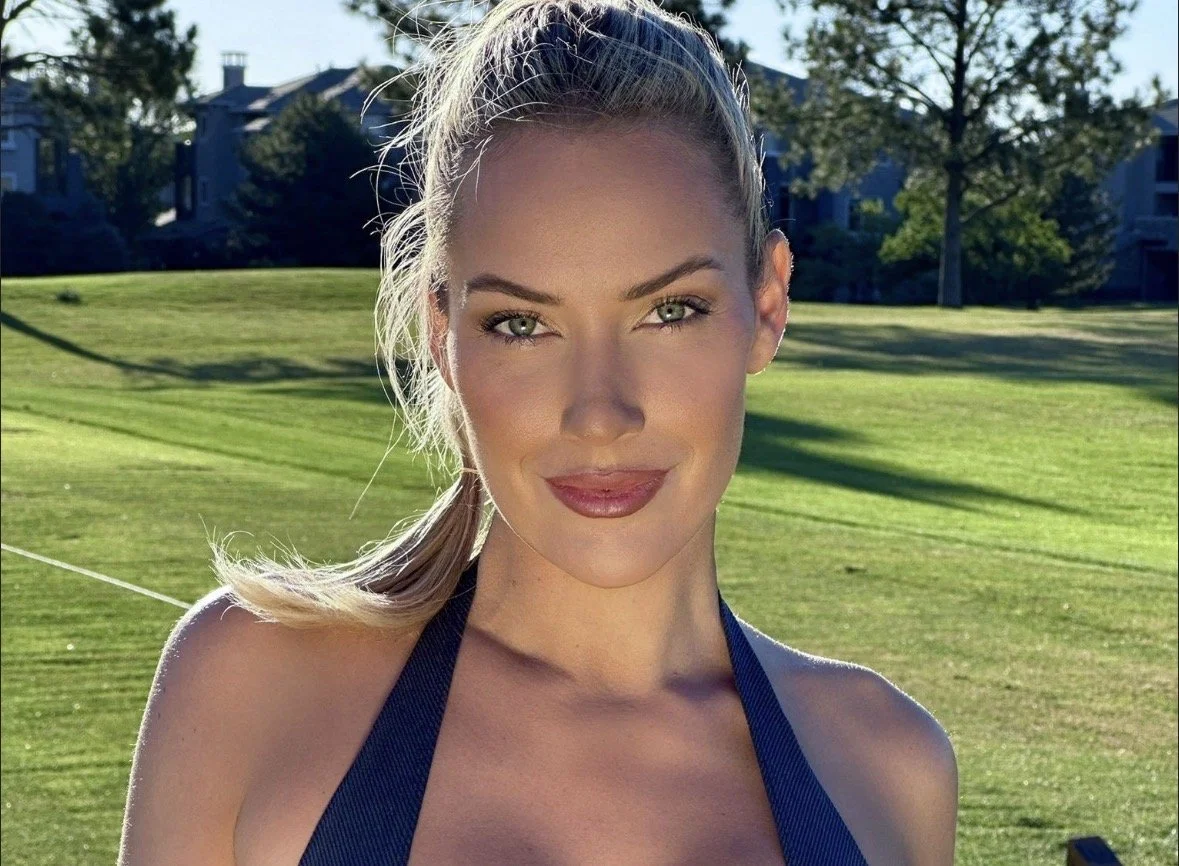
In modern golf, performance alone is no longer enough. Whether you’re a professional golfer, elite amateur, college player, or aspiring junior, social media marketing in golf has become one of the most powerful tools for career growth, sponsorship opportunities, and personal brand development.
The golf industry has shifted. Brands are no longer investing only in tournament results — they are investing in visibility, influence, engagement, and audience trust.
In 2026, every serious golfer is also a personal brand.
The Rise of the Golfer as a Media Brand
Players like Rickie Fowler built global recognition not just through wins, but through image, personality, and cultural relevance. His brand extended beyond the leaderboard.
Meanwhile, Paige Spiranac demonstrated how powerful digital influence can be in the golf industry, building one of the largest golf audiences online through consistent content, personality, and strategic use of social platforms.
Even elite champions like Rory McIlroy use social media strategy to communicate directly with fans, shape public perception, and maintain brand control.
The shift is clear:
Golfers are no longer just athletes. They are content creators, storytellers, and media channels.
Search terms increasingly associated with modern players include:
Golf personal branding
Golf influencer marketing
Golf social media growth
Building a golf audience
Athlete sponsorship strategy
The industry has evolved — and so must the golfer.
Why Social Media Is Critical for Golf Sponsorship
Brands today evaluate more than handicap or world ranking. They assess:
Instagram engagement rate
YouTube watch time
Audience demographics
Content consistency
Brand alignment
Authentic storytelling
Platforms such as Instagram, YouTube, and TikTok have become key discovery engines for golf sponsorship.
A golfer with:
25,000 engaged followers
Strong audience trust
Clear positioning (performance, coaching, mental resilience, lifestyle)
… may be more commercially valuable than a slightly higher-ranked player with minimal digital presence.
This is the new reality of golf sponsorship marketing.
Control Your Narrative and Build Authority
Historically, media coverage shaped a golfer’s public image. Today, social media allows you to:
Share training routines and practice insights
Showcase golf fitness and performance routines
Discuss mental resilience and sports psychology
Document injury recovery and comeback journeys
Promote charitable partnerships and golf foundations
Highlight tournament preparation and travel
This builds:
Authority
Trust
Authenticity
Long-term brand equity
In a competitive sports landscape, authentic golf storytelling creates differentiation.
When golfers share their mindset, discipline, and challenges, they connect on a human level — something sponsors value deeply.
Engagement Is the New Currency
Follower count is no longer the primary metric.
Brands look at:
Engagement rate
Saves and shares
Comment quality
Community loyalty
Audience intent (golfers who buy equipment, apparel, travel, and coaching)
A highly engaged golf audience represents purchasing power. That makes your profile a commercial asset.
This is why golf content creators, niche instructors, and competitive amateurs are now landing:
Equipment sponsorships
Apparel endorsements
Golf brand ambassador roles
Corporate partnerships
Digital credibility reduces risk for sponsors. If people already care, brands feel safer investing.
Social Media for Junior and College Golfers
For junior golfers and college athletes, building a strong digital footprint is now part of career strategy.
Agents, sponsors, and even tournament organisers often research players online before making decisions.
An inactive profile can quietly limit opportunity.
A professional, consistent presence that reflects:
Work ethic
Competitive ambition
Mental toughness
Training discipline
Personal values
… strengthens perceived professionalism and increases discoverability.
Search visibility now plays a role in recruitment and sponsorship conversations.
Authenticity Drives Long-Term Growth
The era of overly polished, corporate athlete profiles is fading.
Modern golf audiences respond to:
Honest reflections after tough rounds
Real practice sessions
Behind-the-scenes tournament life
Performance struggles and breakthroughs
Mental health advocacy within sport
Golf is evolving into a more open, relatable sport — and those who embrace that transparency tend to grow faster online.
Authenticity improves:
Engagement
Trust
Shareability
Sponsor confidence
The Hybrid Athlete–Creator Model
The future of golf belongs to those who combine:
Competitive excellence
Content strategy
Personal branding clarity
Camera confidence
Community building
The modern golfer operates within a hybrid ecosystem of sport and media.
Your handicap demonstrates your skill level.
Your social media presence demonstrates your market value.
For golfers seeking:
Sponsorship deals
Brand partnerships
Industry recognition
Career longevity
… investing in social media strategy is no longer optional.
It is a competitive advantage.
Final Thought: Golf Has Moved Online
The fairways still matter. Tournament results still matter.
But in today’s golf industry, digital presence influences opportunity, income, and long-term success.
If you want to grow your profile, attract sponsors, and future-proof your career in golf, building a strong personal brand through social media is essential.
The game hasn’t just evolved on the course.
It has evolved in the algorithm.
@greatmaker.uk